
What should I pack for Korea in winter?
For a winter trip to Korea, pack adjustable warm layers, an appropriate outer coat, gloves, a hat or scarf and walking shoes with suitable grip.
Build the list around your destination, forecast and time outdoors. A city museum day and a mountain excursion need different preparation.
Keep the items needed on arrival within reach, and check the current forecast again shortly before departure instead of treating a seasonal average as your daily weather.

Begin with the day you will actually have
The Korea Tourism Organization recommends warm winter clothing and non-slip shoes for snowy conditions. That provides a starting point, but your itinerary determines what belongs in the suitcase. Write down where you expect to walk, wait outdoors and spend time inside before selecting clothing.
For example, a day moving between a station, a museum and a restaurant involves repeated transitions. A long outdoor sightseeing stop creates a different problem: you may be standing still rather than walking. The aim is to identify those situations, not to assign one coat to everyone visiting the country.
Separate confirmed plans from optional ideas. If skiing is only a possibility, check the resort's current rental and clothing information before filling your bag with equipment. If the activity is essential to the trip, make its clothing and footwear requirements part of the booking decision.
Make the layers work together
U.S. National Weather Service cold-weather guidance recommends layers that can be adjusted to conditions. The CDC describes an outer layer that protects against wind, rain and snow, alongside insulating layers. These are general cold-weather principles, not a forecast for a particular Korean city.
Try the intended layers together at home. Check whether sleeves bunch under the coat, whether you can close it comfortably and whether gloves still let you handle your bag. An item that looks compact in a packing photo may be awkward when worn with the rest of your clothes.

Choose a small set of pieces that can be rearranged rather than a separate bulky outfit for each day. Make sure you can carry a removed layer without losing it. A bag with a clear place for gloves and a hat is more useful than loose accessories scattered among shopping bags.
Give footwear its own decision
The tourism organization's winter advice includes shoes with grip for walking on snow. Check the soles and fit of the shoes you plan to bring rather than assuming that any boot is suitable. Consider the walking surfaces in your itinerary and the forecast near your departure.
Try the shoes with the socks you intend to wear. Walk in them before the trip if they are new. Leave room in the schedule for a slower route when the ground is slippery, and do not treat footwear as permission to ignore closures or warnings.

If your plan includes a mountain trail, consult the park or tour operator's current instructions. A city packing checklist is not a substitute for activity-specific equipment. Ask about the exact route and conditions rather than using a photograph from another month to judge what you need.
Keep arrival clothing accessible
Picture the first transfer after landing. Where will your coat be? Can you reach your gloves without opening a large suitcase in a crowded place? Put those answers into the packing arrangement before closing the bag.
A simple arrival pouch can hold small accessories together. Keep it with the clothing you will need first, and make sure your travel companion knows where their own items are. This is an organizational suggestion; the contents should match the actual forecast and the journey ahead.

Do the same for the trip home. It is easy to pack a warm coat deep in checked luggage because the airport terminal feels comfortable. Decide when you will need it again, including any waiting or transport after reaching your home destination.
Plan for wet clothing and indoor stops
CDC winter guidance emphasizes staying dry and changing wet clothing. Think through what you will do with damp gloves, socks or an outer layer after returning to your accommodation. Check the property's drying or laundry arrangements instead of assuming every room has a suitable place to dry everything overnight.
Keep clean, dry items separate from wet ones while traveling between locations. Do not pack damp clothing into the main suitcase and forget it until the next stop. An ordinary bag designated for temporary separation can help, provided you unpack and deal with the damp items when you arrive.
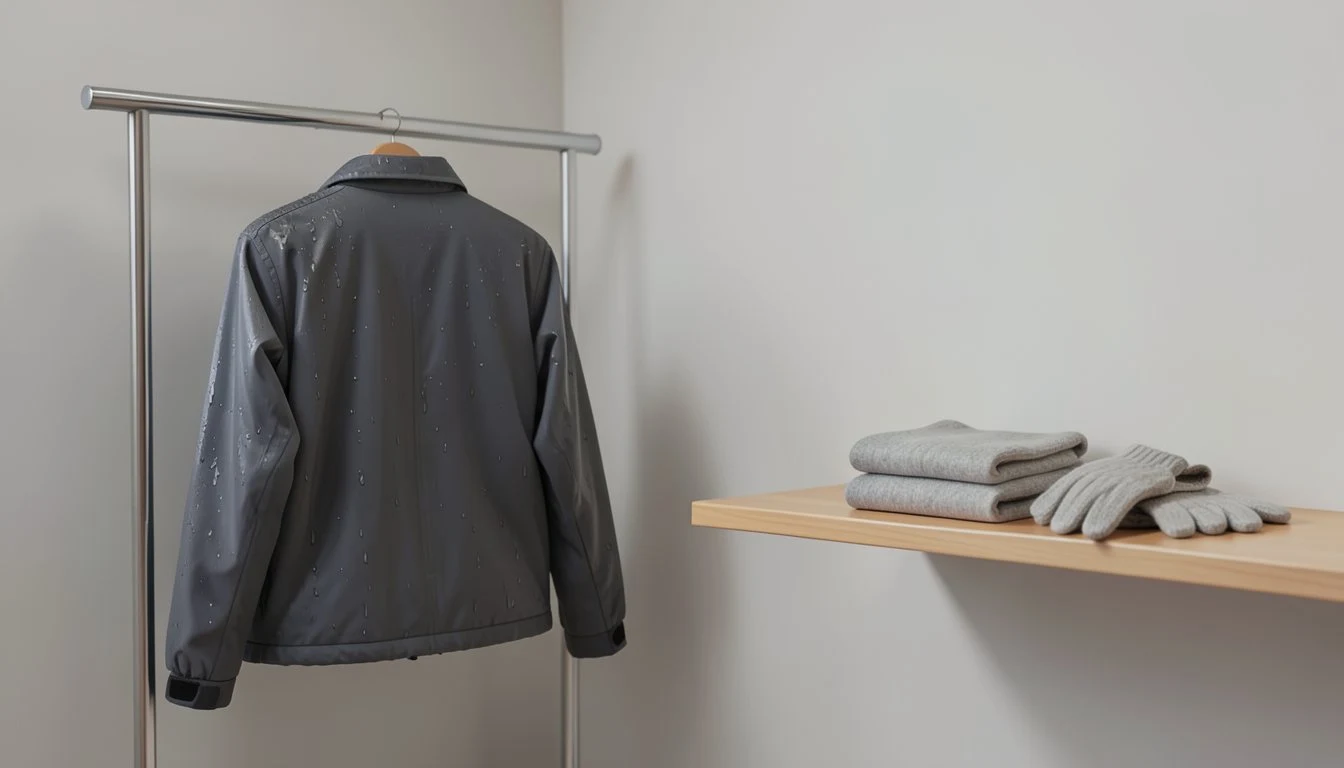
For days with indoor activities, choose layers you can remove without taking apart your whole outfit. Leave enough space in your day bag to carry them. The point is to make adjustments easy, not to predict the temperature of every train carriage or café.
Leave room to change the itinerary
Weather preparation includes deciding what you will do if conditions make the original plan unsuitable. Keep an indoor alternative for an exposed outdoor activity. During severe winter weather, the CDC advises limiting time outdoors and taking precautions against cold and icy conditions.
Check local forecasts and official notices close to the activity, especially before traveling out of a city. A winter packing list prepared weeks earlier cannot tell you whether a trail, road or attraction will be usable that day.
Before leaving each morning, review the destination, return journey and expected outdoor time together. Keep the clothing decision connected to that plan. If someone in the group needs individual medical advice about cold exposure, obtain it before relying on a general travel checklist.

Frequently asked questions
Is one very thick coat enough?
It may be part of your clothing system, but adjustable layers make it easier to respond to changing conditions. Test the combination you intend to wear.
Should I pack for Seoul if I am visiting several regions?
Check each destination and activity. One city's forecast does not describe an entire itinerary, especially when elevation or coastal exposure changes.
Can I use this list for a winter hike?
Use it only as a starting point. Follow the park or operator's current requirements for the actual route and conditions.
Everyday Useful helps you connect a packing list to the journey you are planning.
Sources
- Korea Tourism Organization: Climate and Seasons — Korea winter clothing and footwear.
- National Weather Service: Winter Weather Resources — cold-weather dressing.
- CDC: Winter Storm Safety — layers, dry clothing and outdoor precautions.

댓글
댓글 쓰기